
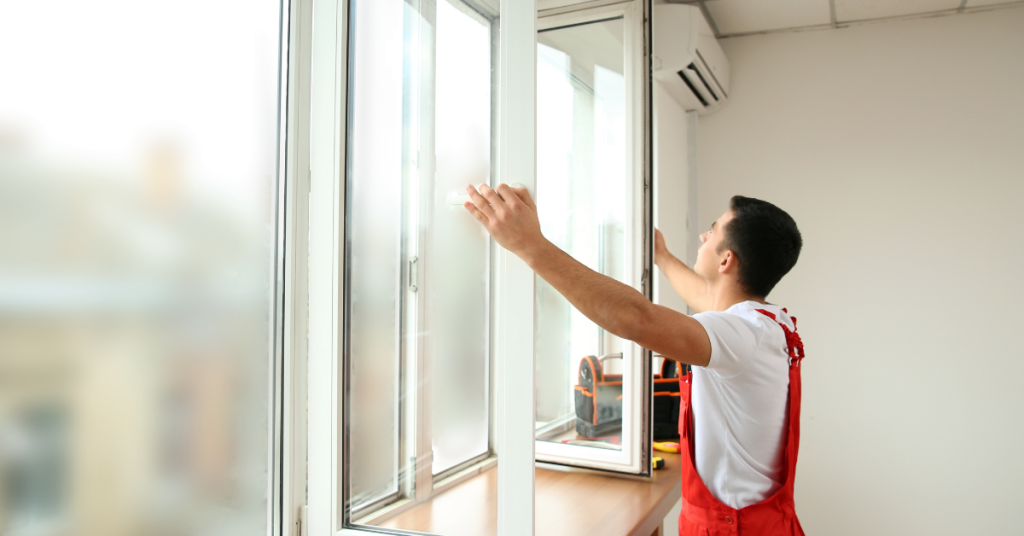
Direct Answer: Replace your windows when you see fog between glass panes, cracked or warped frames, or feel strong drafts even when windows are fully closed. These signs indicate structural or seal failure that repairs cannot effectively fix. For Minnesota homes, windows with these symptoms typically waste 20-30% more energy than functioning units, making replacement the smarter long-term investment.
Clear Signs That Point to Window Replacement
Certain problems indicate your windows have reached the end of their functional lifespan. When you notice these issues, repair rarely provides lasting results.
Fog or condensation between panes means the sealed unit has failed. Once that insulating gas escapes and moisture enters, no repair can restore the window’s thermal performance. The seal cannot be resealed—the entire glass unit needs replacement.
Cracked, rotting, or warped frames compromise the entire window structure. Damaged frames allow air and water infiltration regardless of glass condition. In Minnesota’s freeze-thaw cycles, frame damage accelerates quickly once it begins.
Persistent drafts with windows closed signal failed weatherstripping, warped sashes, or frame gaps. While minor weatherstripping can be replaced, drafts often indicate multiple failure points that make comprehensive repair impractical.
When Window Repair Makes Sense
Not every window problem requires full replacement. Repair offers a cost-effective solution in specific situations.
Consider repair when:
- Hardware (locks, cranks, handles) has broken but frames remain solid
- Weatherstripping has worn but the seal between panes remains intact
- A single pane has cracked on an otherwise functional double-pane unit
- Windows are less than 10 years old with minor issues
- Only one or two windows show problems while others perform well
Typical repair costs: $75-$300 per window for hardware or weatherstripping issues. Glass-only replacement runs $200-$400 depending on size and type.
When Replacement Is the Better Investment
Replacement becomes the financially sound choice when repair costs approach 50% of new window prices or when multiple issues exist simultaneously.
Choose replacement when:
- Windows are 15-20+ years old
- Multiple windows show similar problems
- Fog appears between glass panes (seal failure)
- Frames show rot, cracks, or significant warping
- You’re experiencing noticeably higher heating bills
- Windows are original single-pane construction
Average replacement costs: $400-$1,000 per window installed, depending on size, style, and efficiency rating. Energy-efficient windows typically recoup costs through utility savings within 5-8 years in Minnesota’s climate.
The Hidden Costs of Delaying Replacement
Postponing necessary window replacement often costs more than homeowners realize.
Failed windows force your heating system to work harder, adding $200-$500 annually to utility bills depending on how many windows have failed. Over five years of delay, that’s $1,000-$2,500 in wasted energy—often more than the replacement cost itself.
Water infiltration from damaged frames can cause wall damage, mold growth, and insulation deterioration. These secondary repairs frequently cost more than the windows themselves.
In Minnesota specifically, failed windows create ice dam conditions on interior surfaces, condensation damage to window sills, and uncomfortable cold zones that reduce livable space during winter months.
How to Evaluate Your Windows: A Simple Test
Perform this quick assessment on any window you’re questioning:
- Visual inspection: Look for fog, condensation, or discoloration between panes
- Frame check: Press firmly on frame corners—soft spots indicate rot or deterioration
- Draft test: Hold a lit candle near closed window edges on a cold day—flame flickering indicates air leaks
- Operation test: Windows should open, close, and lock smoothly without force
- Age check: Note installation date if known—windows over 15 years warrant professional evaluation
If a window fails two or more of these tests, replacement typically offers better value than repair.
Repair vs. Replace: Quick Decision Framework
| Situation | Recommendation |
| Foggy glass, solid frames | Glass replacement possible |
| Broken hardware only | Repair |
| Drafts + fog + old age | Full replacement |
| Single cracked pane | Repair or glass replacement |
| Multiple windows failing | Full replacement |
| Frames damaged + seal failure | Full replacement |
| Windows under 10 years old | Repair first |
Red Flags That Demand Immediate Professional Assessment
Some conditions require urgent evaluation:
- Visible daylight around closed window frames
- Ice forming on interior glass surfaces
- Water stains on walls below windows
- Difficulty closing or locking windows completely
- Sudden dramatic increase in heating costs
These symptoms indicate serious efficiency or structural problems that worsen quickly during Minnesota winters.
The Bottom Line
Window repair makes sense for isolated, minor issues on relatively new windows. Replacement becomes the better choice when you see fog between panes, frame damage, or persistent drafts—especially on windows approaching or past 15 years of age.
For Minnesota homeowners, the math typically favors replacement when multiple windows show problems. Our extreme temperature swings punish failing windows harder than moderate climates, accelerating deterioration and energy loss.
Next Steps
Start by testing your most problematic windows using the assessment method above. Document which windows fail and what symptoms they show. This information helps professionals provide accurate recommendations.
For a professional window evaluation in the Twin Cities area, contact Exteriors Plus at (952) 345-3408. Our team provides free estimates and can assess whether repair or replacement offers the best value for your specific situation. As Minnesota’s Best award winners for window services, we specialize in energy-efficient solutions designed for our demanding climate.
