
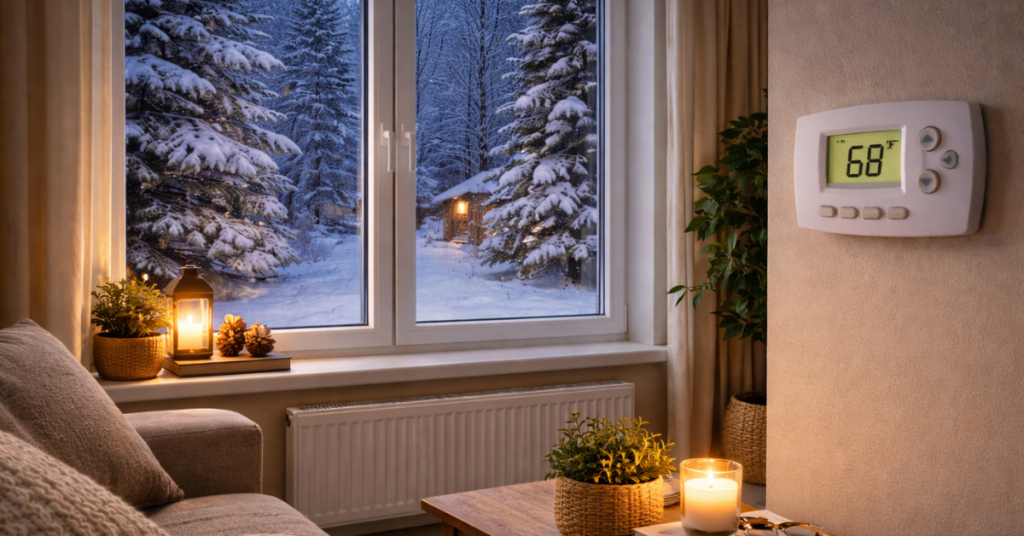
Direct Answer: Yes, energy-efficient replacement windows can reduce heating costs by 15-30% compared to older, failing windows. In Minnesota, where heating season spans six months or more, this translates to typical annual savings of $150-$500 depending on home size, number of windows replaced, and the efficiency gap between old and new units. Better insulated windows prevent heat from escaping, reduce cold drafts, and allow your furnace to work less while maintaining comfortable temperatures.
How Windows Affect Your Heating Costs
Windows represent the weakest thermal link in your home’s envelope. Even when walls are well-insulated, windows allow significantly more heat transfer per square foot than any other surface.
Older or failing windows lose heat through three mechanisms:
Conduction — Heat transfers directly through glass and frame materials from warm interior to cold exterior. Single-pane windows and failed double-pane units conduct heat rapidly.
Convection — Air currents form when warm indoor air contacts cold glass, cools, drops, and creates drafts. These air movements pull heat away continuously.
Air leakage — Gaps around frames, failed weatherstripping, and warped sashes allow heated air to escape directly outdoors while cold air infiltrates.
Energy-efficient windows address all three mechanisms, dramatically reducing heat loss and lowering the workload on your heating system.
How Much Can You Actually Save?
Actual savings depend on several factors specific to your situation.
Upgrading from single-pane windows: Expect 25-35% reduction in heating costs attributed to windows. Single-pane glass offers minimal insulation (U-Factor around 1.0), while modern double-pane units achieve U-Factors of 0.25-0.30—a 70% improvement in thermal performance.
Upgrading from failed double-pane windows: Expect 15-25% reduction. Once seals fail and insulating gas escapes, double-pane windows perform only slightly better than single-pane. Replacement restores full efficiency.
Upgrading from functioning older double-pane: Expect 10-15% reduction. Even working older windows typically have U-Factors of 0.35-0.50, while current Energy Star windows achieve 0.25 or better.
Minnesota-specific savings estimates:
| Home Size | Windows Replaced | Estimated Annual Savings |
| 1,500 sq ft | 10-12 windows | $150-$250 |
| 2,000 sq ft | 14-18 windows | $200-$350 |
| 2,500 sq ft | 18-22 windows | $275-$450 |
| 3,000+ sq ft | 22+ windows | $350-$500+ |
These estimates assume upgrading from older, inefficient windows to Energy Star certified units and reflect Minnesota’s approximately 7,500 heating degree days annually.
Beyond Direct Energy Savings: Hidden Benefits
New windows deliver financial benefits beyond the monthly utility bill.
Reduced HVAC wear and tear When windows leak heat, furnaces cycle more frequently. This accelerated operation increases maintenance needs and shortens equipment lifespan. Efficient windows reduce furnace runtime by 15-25%, potentially extending HVAC life by several years.
Eliminated draft compensation Many homeowners unconsciously raise thermostats to compensate for cold drafts near windows. With properly insulated windows, you can often maintain comfort at lower thermostat settings—each degree reduction saves approximately 3% on heating costs.
Increased usable living space Rooms with failing windows often feel uncomfortable during Minnesota winters, becoming semi-abandoned cold zones. New windows make entire homes livable, effectively increasing functional square footage without renovation.
Potential insurance benefits Some insurers offer discounts for energy-efficient home improvements. Check with your provider about potential premium reductions.
Which Windows Deliver the Best ROI?
Not all window upgrades provide equal return on investment. Prioritize strategically.
Highest priority replacements:
- Single-pane windows (greatest efficiency gain)
- Windows with visible seal failure (fog between panes)
- North-facing windows (highest heat loss, lowest solar gain)
- Largest windows (more surface area = more heat loss)
- Windows in frequently used rooms
Lower priority replacements:
- Functioning double-pane windows under 10 years old
- Small windows in seldom-used spaces
- South-facing windows with good solar exposure (free winter heat)
For maximum savings impact, replace your worst-performing windows first rather than upgrading all windows to premium specifications.
Calculating Your Payback Period
Understanding when window investments pay for themselves helps with planning.
Simple payback calculation: Total window investment ÷ Annual energy savings = Years to payback
Example scenario:
- Replace 15 windows at $600 average = $9,000 investment
- Annual heating savings of $300
- Additional cooling savings of $75
- Total annual savings: $375
- Payback period: 24 years
However, this simple calculation misses important factors:
Factors that shorten actual payback:
- Rising energy costs (Minnesota natural gas prices increased 15% over past 5 years)
- Increased home value (windows typically return 70-80% of cost at resale)
- Avoided repair costs on deteriorating old windows
- Reduced HVAC maintenance expenses
- Comfort improvements enabling lower thermostat settings
When factoring home value increase and rising energy costs, effective payback often falls to 10-15 years, with windows continuing to save money for their remaining 15-25 year lifespan.
Window Specifications That Maximize Savings
For Minnesota heating cost reduction, prioritize these features:
U-Factor of 0.25 or lower This rating matters most for heating-dominated climates. Every 0.05 improvement in U-Factor translates to approximately 5-7% better heat retention.
Low-E coating optimized for heating climates Proper Low-E coatings reflect heat back into your home while allowing beneficial solar radiation to enter. Heating-climate coatings differ from cooling-climate versions—ensure correct specification.
Argon or krypton gas fill Gas-filled windows insulate 30-50% better than air-filled units. Verify gas fill is included—some budget windows omit this feature.
Quality installation Even premium windows underperform if improperly installed. Gaps, improper shimming, and inadequate insulation around frames can reduce efficiency by 20-30%. Professional installation matters as much as window quality.
What About Summer Cooling Costs?
Energy-efficient windows reduce cooling costs too, though Minnesota’s shorter cooling season means heating savings dominate the equation.
Expect summer cooling reductions of 10-20% from quality replacement windows. Low-E coatings block solar heat gain during summer months, and better air sealing keeps cooled air inside.
Combined heating and cooling savings typically add $50-$100 annually to the heating-only estimates above.
Red Flags: When Windows Are Costing You Money
These signs indicate your current windows are significantly increasing heating costs:
- Frost or ice forming on interior glass surfaces
- Noticeable temperature drops near windows
- Drafts felt even with windows fully closed
- Furnace running constantly during cold snaps
- Heating bills higher than neighbors with similar homes
- Rooms that never reach thermostat temperature
- Condensation or fog between glass panes
Any two or more of these symptoms suggest substantial energy waste worth addressing.
The Bottom Line
New energy-efficient windows genuinely reduce heating costs—typically 15-30% of window-related heat loss, translating to $150-$500 annual savings for most Minnesota homes. The investment pays back through energy savings, increased home value, improved comfort, and reduced HVAC strain.
Prioritize replacing your worst-performing windows first for maximum immediate impact. Focus on U-Factor ratings of 0.25 or lower with proper Low-E coatings and gas fill for Minnesota’s demanding climate.
Next Steps
Review your last few winter heating bills and note which rooms feel coldest. Identify windows showing failure signs—drafts, frost, fog between panes. This information helps professionals calculate your specific savings potential.
For a detailed energy savings assessment for your Twin Cities home, contact Exteriors Plus at (952) 345-3408. Our team can evaluate your current windows’ performance, calculate projected savings based on your specific situation, and recommend the most cost-effective upgrade path. As Energy Star partners and Minnesota’s Best award winners, we specialize in windows engineered to deliver maximum efficiency in Minnesota’s extreme climate. Schedule a free estimate to discover how much you could save.
