
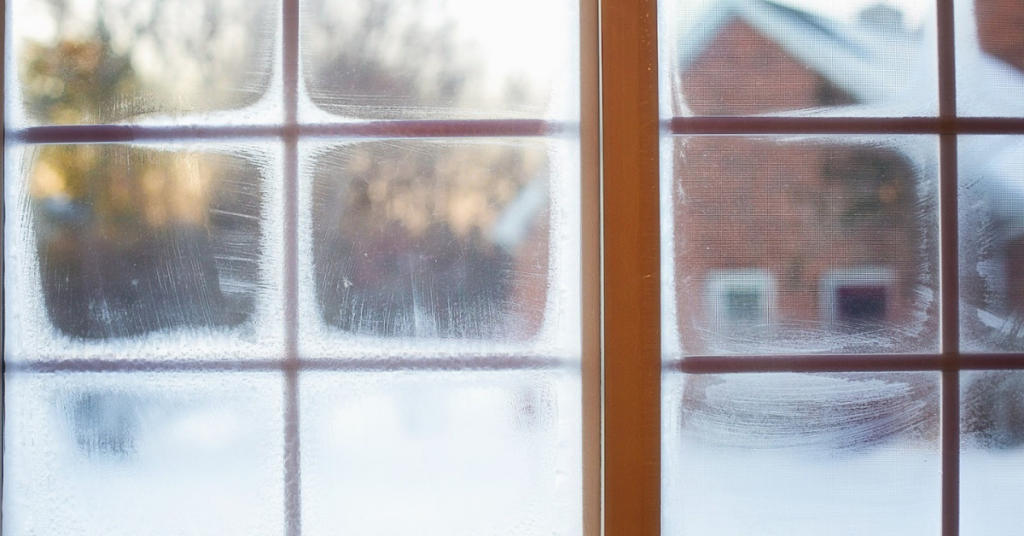
Direct Answer: Window drafts typically result from worn weatherstripping, shrinking or cracked caulk, gaps in window frames, or failed seals around the glass unit. In Minnesota homes, the repeated freeze-thaw cycles accelerate these problems, causing materials to deteriorate faster than in moderate climates. Frequent or persistent drafts usually indicate aging windows approaching the end of their functional lifespan—especially units over 15-20 years old.
Understanding Where Drafts Come From
Drafts occur when cold outdoor air finds pathways into your home around or through window assemblies. Identifying the source helps determine whether a simple repair or full replacement makes sense.
Common draft entry points:
- Between sash and frame — Where the movable window portion meets the stationary frame
- Along the frame perimeter — Where the window unit meets your home’s wall structure
- Through the glass unit — Failed seals allow air movement between panes
- Around hardware — Locks, cranks, and handles create potential gap points
- Through weep holes — Drainage openings that can admit air when improperly designed
A single window can have multiple draft sources simultaneously, and different windows in the same home often fail for different reasons based on sun exposure, operation frequency, and orientation.
Worn Weatherstripping: The Most Common Culprit
Weatherstripping—the flexible material sealing gaps between movable and stationary window parts—takes constant abuse and wears out predictably.
Signs of weatherstripping failure:
- Visible gaps, cracks, or compression in seal material
- Weatherstripping pulling away from mounting surface
- Hardened, brittle material that no longer flexes
- Missing sections where material has fallen off
- Draft felt specifically where sash meets frame
Typical weatherstripping lifespan:
- Foam tape: 2-4 years
- Vinyl: 5-8 years
- Rubber: 8-12 years
- Silicone: 10-15 years
Minnesota’s temperature extremes—swinging 100+ degrees between summer highs and winter lows—accelerate weatherstripping deterioration. Materials that might last 10 years in moderate climates often fail in 6-8 years here.
DIY replacement: Weatherstripping replacement costs $10-$30 per window in materials and takes 30-60 minutes for handy homeowners. This repair makes sense for otherwise sound windows under 15 years old.
Shrinking and Cracked Caulk
Exterior caulk seals the gap between window frames and your home’s siding or trim. Over time, this material shrinks, cracks, and separates.
Signs of caulk failure:
- Visible cracks or gaps in caulk lines
- Caulk pulling away from frame or siding
- Hardened, brittle material that’s lost flexibility
- Missing sections where caulk has fallen out
- Water stains or damage near window perimeter
Why Minnesota accelerates caulk failure: Caulk expands and contracts with temperature changes. Our extreme seasonal swings stress these materials far more than moderate climates. Additionally, UV exposure degrades caulk compounds, and south-facing and west-facing windows typically show caulk failure 3-5 years before north-facing units.
Typical caulk lifespan: Quality exterior caulk lasts 10-15 years in moderate conditions but often only 7-10 years in Minnesota.
DIY repair: Recaulking costs $5-$15 per window and takes 20-30 minutes. Remove old caulk completely, clean surfaces, and apply quality exterior-grade silicone or polyurethane caulk rated for temperature extremes.
Frame Gaps and Structural Issues
More serious drafts originate from the window frame itself or the connection between frame and wall structure.
Common frame problems:
- Wood frames shrinking or warping over time
- Settling homes creating gaps around window openings
- Improperly installed windows with original gaps
- Frame rot allowing air infiltration
- Vinyl frames pulling away from nail fins
Signs of structural draft issues:
- Drafts felt along multiple edges of the same window
- Visible daylight around closed windows
- Windows difficult to open, close, or lock
- Frame damage visible on interior or exterior
- Draft persists after weatherstripping and caulk replacement
Frame-level problems rarely respond to simple repairs. When frames have warped, rotted, or separated from wall structures, replacement typically offers the only lasting solution.
Failed Window Seals
Modern double and triple-pane windows contain sealed units with insulating gas between glass layers. When these seals fail, thermal performance drops dramatically and air movement increases.
Signs of seal failure:
- Fog or condensation between glass panes
- Drafts felt near glass center, not just edges
- Interior glass surface feels significantly colder than frame
- Frost forming on interior glass during cold weather
Why seals fail:
- Age—most seals last 15-25 years
- Thermal cycling stress from temperature extremes
- Manufacturing defects
- Physical damage or improper installation
Seal failure cannot be repaired in place. Options include replacing just the glass unit (insulated glass unit replacement) or full window replacement. For windows over 15 years old, full replacement usually provides better long-term value.
How to Locate Draft Sources
Pinpointing exactly where drafts enter helps determine appropriate solutions.
The candle test: On a cold, windy day, slowly move a lit candle around window edges with the window closed. Flame flickering indicates air movement. Mark locations for targeted repair.
The tissue test: Hold a single tissue near window edges. Movement indicates drafts. More sensitive than feeling with your hand.
The dollar bill test: Close a dollar bill in the window where sash meets frame. If it pulls out easily, weatherstripping isn’t sealing properly.
Professional assessment: Window professionals use infrared cameras and blower door tests to identify draft sources invisible to simple testing. This approach finds hidden problems and quantifies total air leakage.
When DIY Repairs Make Sense
Simple repairs work well under specific circumstances.
DIY-appropriate situations:
- Windows less than 15 years old
- Single, isolated draft source
- Weatherstripping or caulk clearly causing problem
- Frames structurally sound with no rot or warping
- Draft appears after recent weather event (quick fix likely)
Expected DIY costs:
| Repair Type | Materials Cost | Time Required |
| Weatherstripping replacement | $10-$30 | 30-60 minutes |
| Recaulking exterior | $5-$15 | 20-30 minutes |
| Interior window film | $15-$25 | 45-60 minutes |
| Draft snake/blocker | $10-$20 | 5 minutes |
When Professional Help Is Needed
Some draft situations require expert intervention.
Call a professional when:
- Multiple windows show similar problems
- Drafts persist after DIY repairs
- Frame damage, rot, or warping is visible
- Windows are 15+ years old
- Fog appears between glass panes
- Drafts accompany difficulty operating windows
- You notice water damage near windows
Red flags requiring immediate attention:
- Visible daylight around closed window frames
- Ice forming on interior surfaces
- Mold or mildew near window areas
- Significant heating bill increases
- Drafts strong enough to move curtains
The True Cost of Ignoring Window Drafts
Unaddressed drafts cost more than discomfort.
Energy waste: A single drafty window can increase heating costs by $25-$75 annually. Multiply across several failing windows, and costs add up to $200-$400 per year in wasted energy.
HVAC strain: Furnaces work harder compensating for heat loss, increasing wear and shortening equipment lifespan.
Comfort reduction: Drafty rooms become unusable cold zones during Minnesota winters, effectively shrinking your living space.
Secondary damage: Air infiltration often brings moisture, leading to condensation, mold growth, and wood damage around window frames.
The Bottom Line
Window drafts stem from worn weatherstripping, failed caulk, frame gaps, or seal failure—problems that accelerate in Minnesota’s extreme climate. Simple weatherstripping and caulk repairs work well for newer windows with isolated issues. Persistent drafts affecting multiple windows or units over 15 years old typically indicate replacement provides better long-term value than repeated repairs.
Locate draft sources using the candle or tissue test, then assess whether DIY repairs address the root cause or merely mask deeper problems.
Next Steps
Test your draftiest windows using the methods above and document where air enters. Check window age if possible—original installation dates help professionals assess remaining useful life.
For a comprehensive draft assessment in the Twin Cities area, contact Exteriors Plus at (952) 345-3408. Our team identifies draft sources, evaluates repair versus replacement options, and recommends solutions matched to your budget and Minnesota’s demanding climate. As Star Tribune Minnesota’s Best award winners, we help homeowners eliminate drafts permanently—whether through targeted repairs or energy-efficient replacement windows. Schedule a free inspection before the next cold snap arrives.
